
Photovoice Workshop in Mindo: Developing Skills for Visual Storytelling
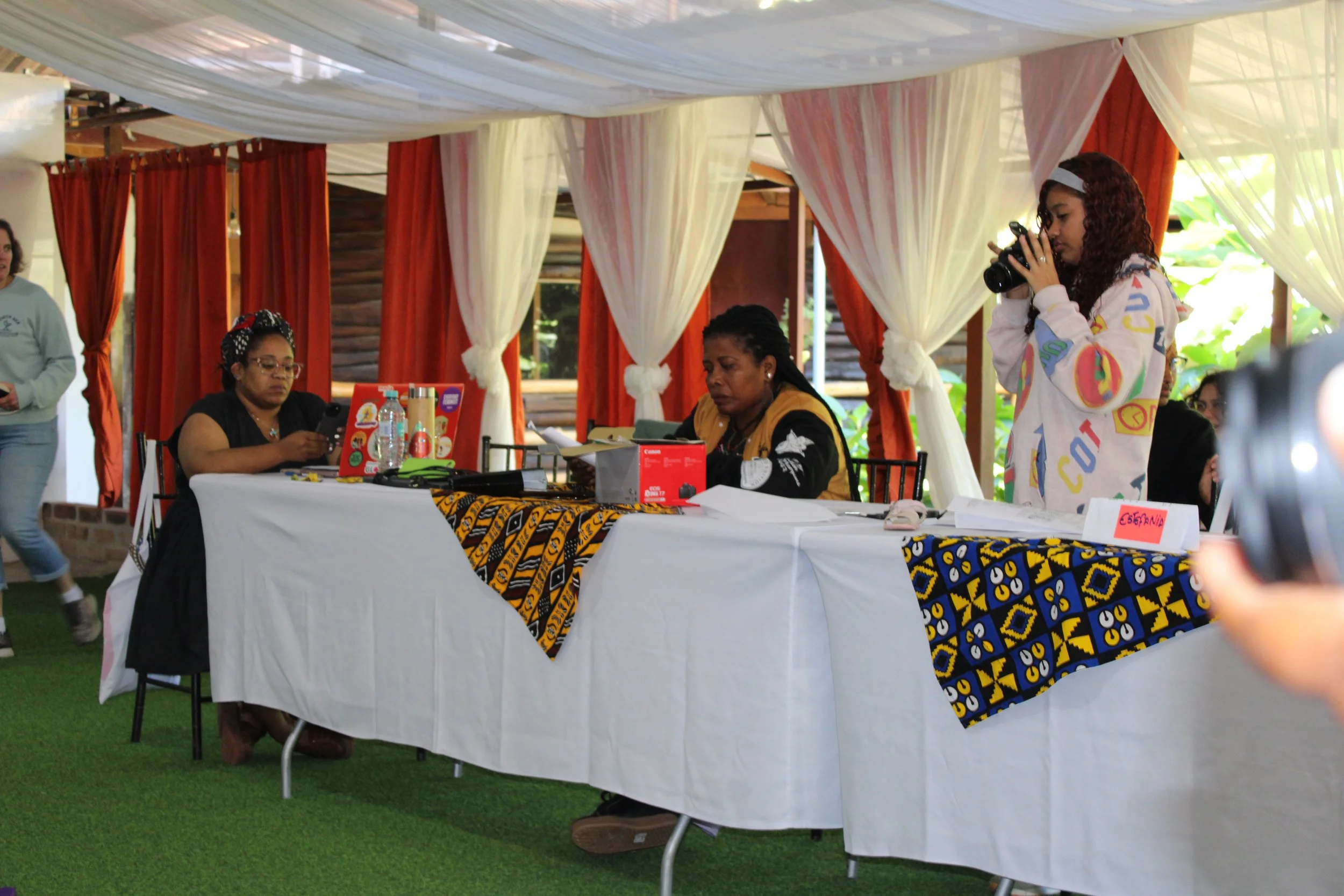
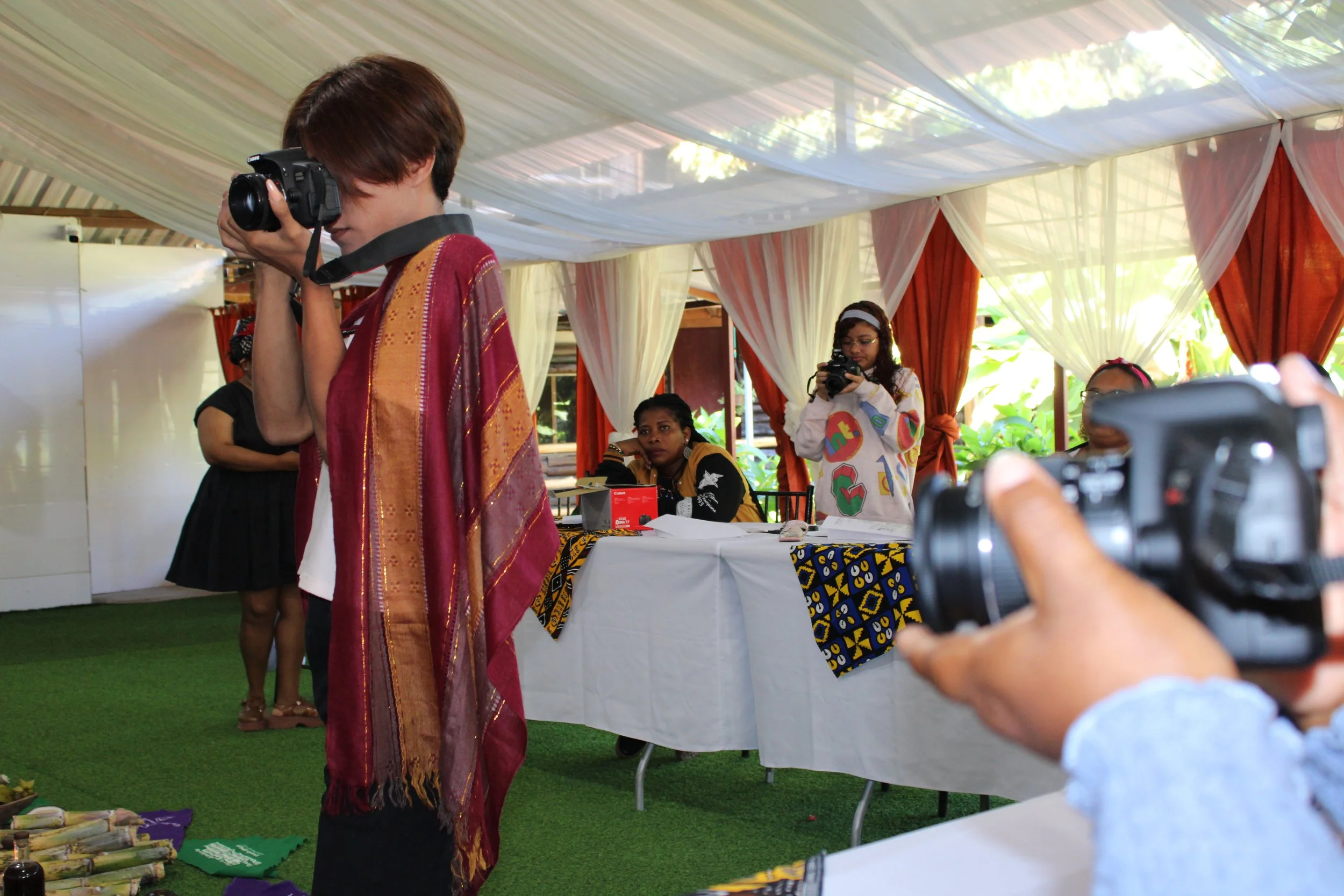
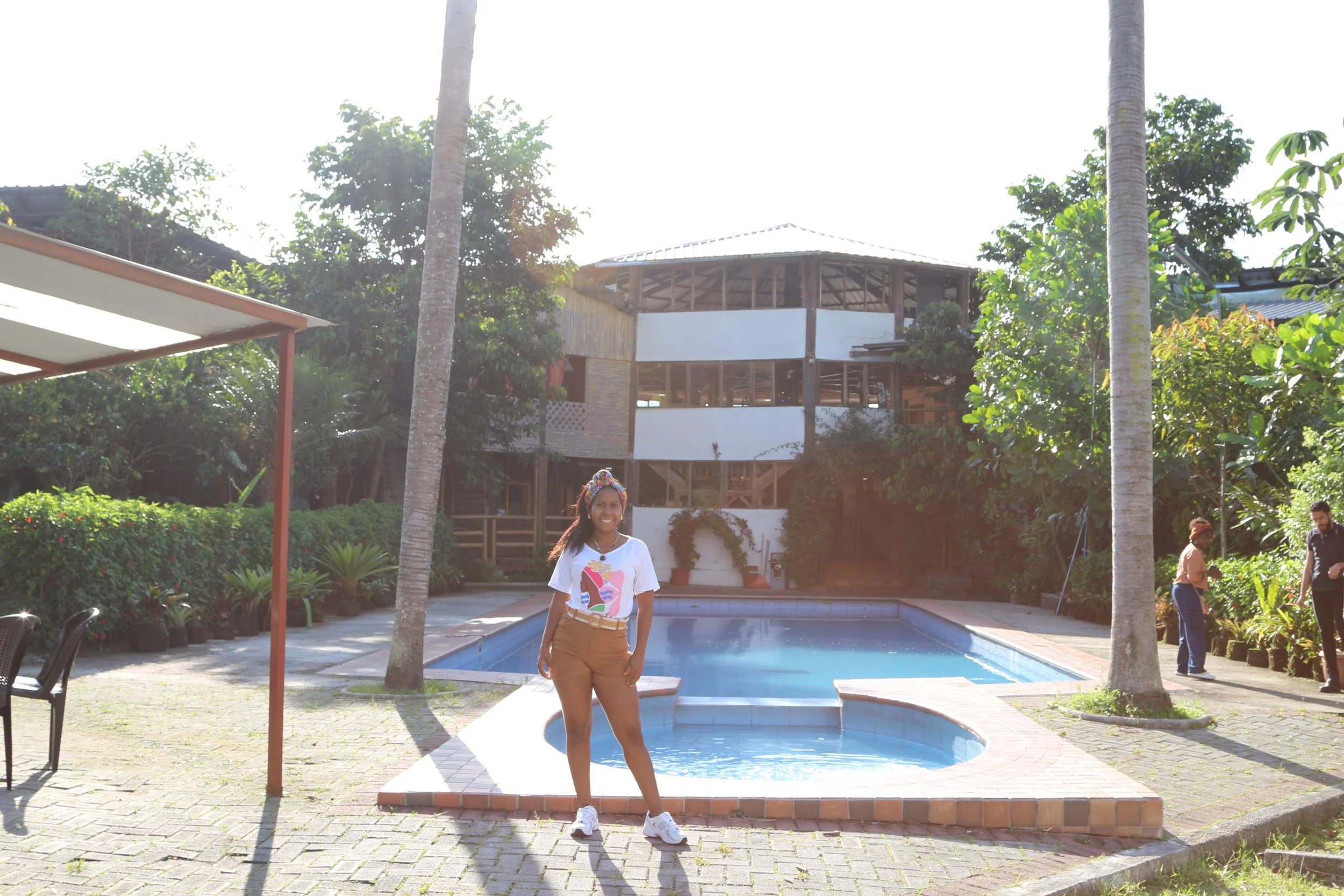
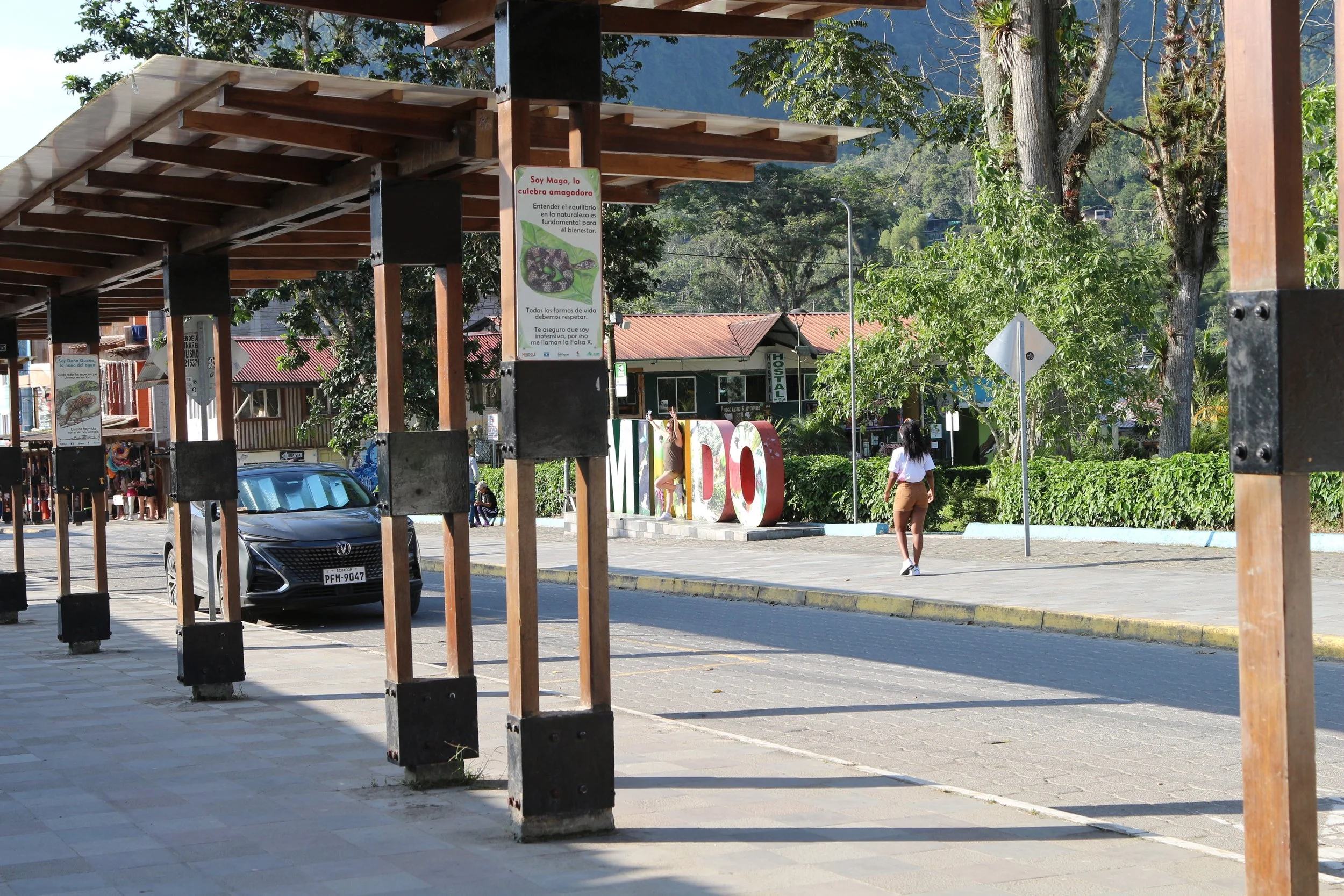
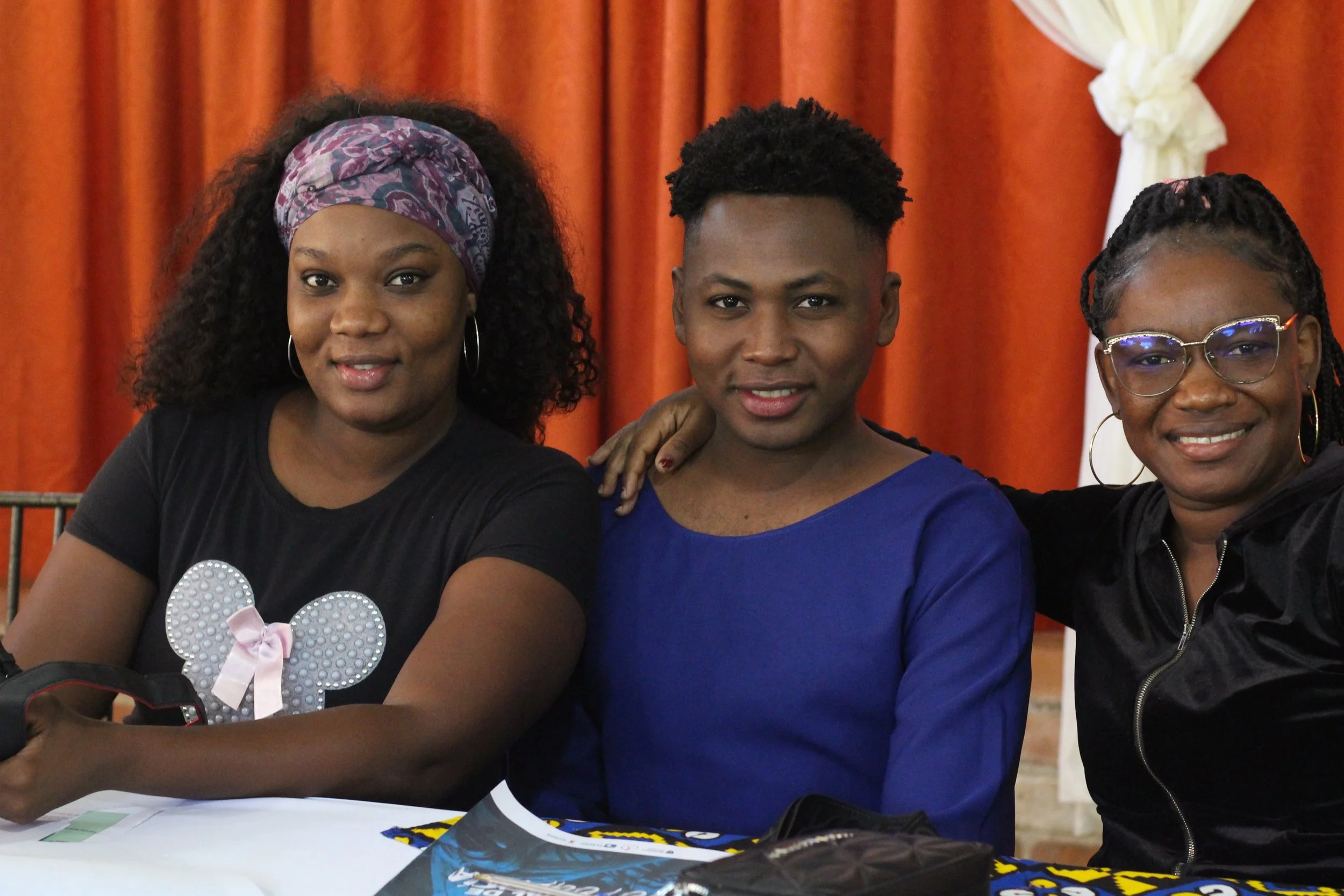
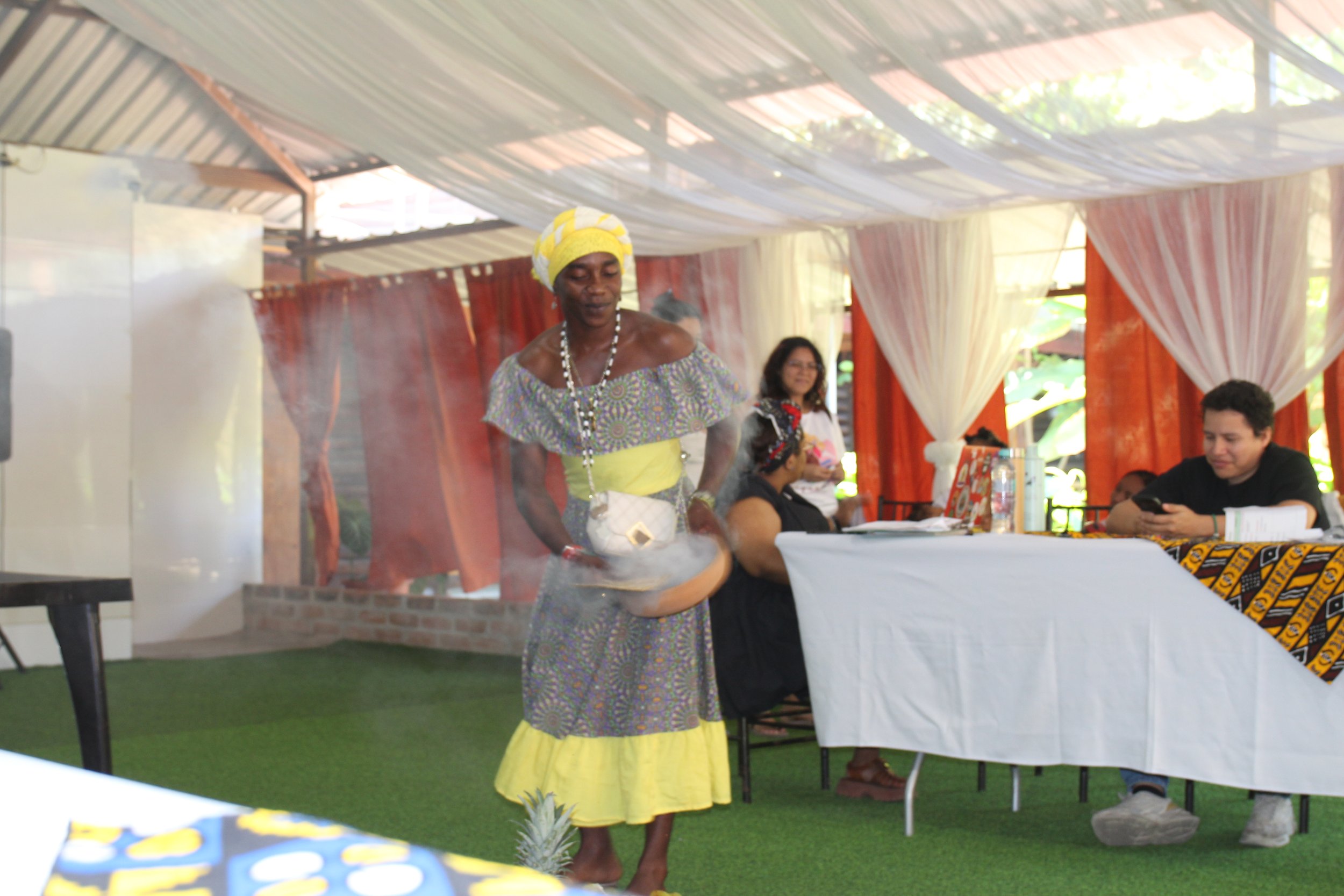
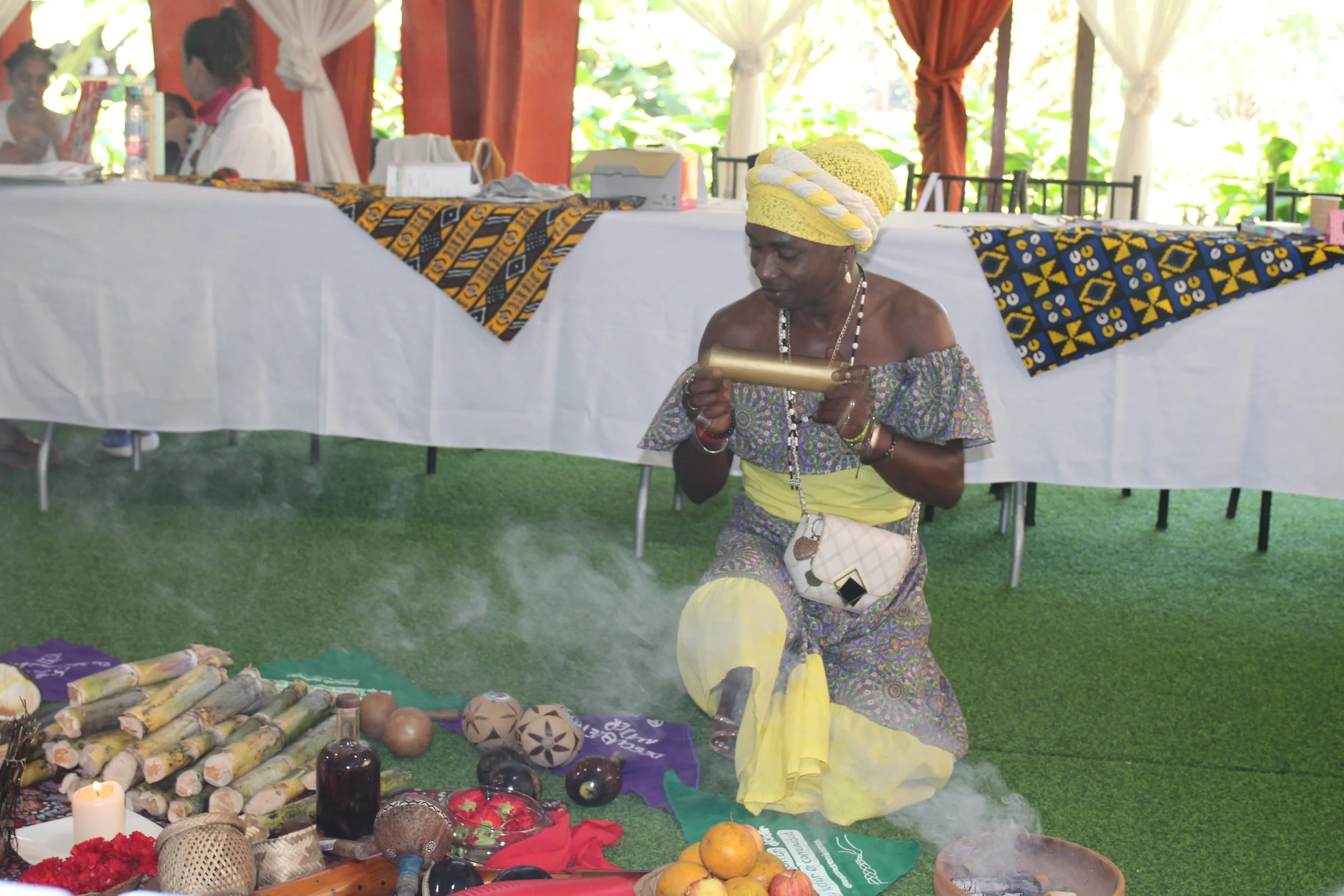
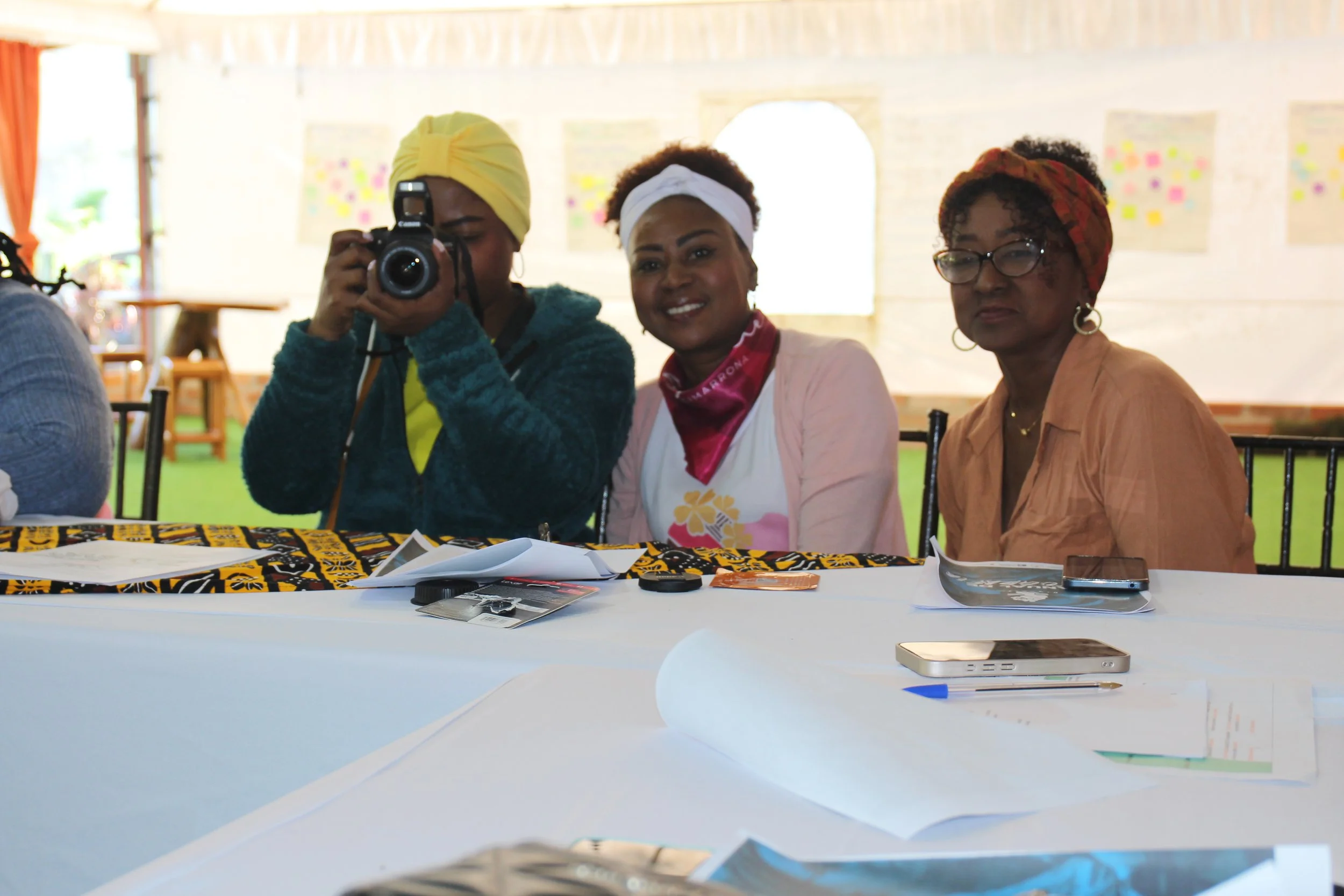
Between the 6 and 8 December 2025, the DignArte Cimarrona project team met again in Mindo to carry out the second participatory training workshop, this time focused on Photovoice as a creative and critical research method. The workshop brought together 21 peer researchers from different cantons of Esmeraldas, building on the collective work initiated during the first participatory mapping training.
The workshop began with a collective moment of exchange and reflection. Each canton shared how the participatory mapping exercises had developed in their communities: how the workshops were facilitated, the responses of participants, and the key insights that emerged from those processes. These presentations were followed by a collective exercise for learning across the cantons of Esmeraldas, allowing the group to identify common challenges, resonances, and questions arising from the mapping work.
Following this collective analysis, the focus shifted to Photovoice and its potential to explore gender-based violence (GBV) from feminist, decolonial, and anti-racist perspectives. The aim was to explore how this method can help make visible experiences that are often silenced or difficult to represent, while also opening space to imagine pathways toward change and future actions to address GBV.
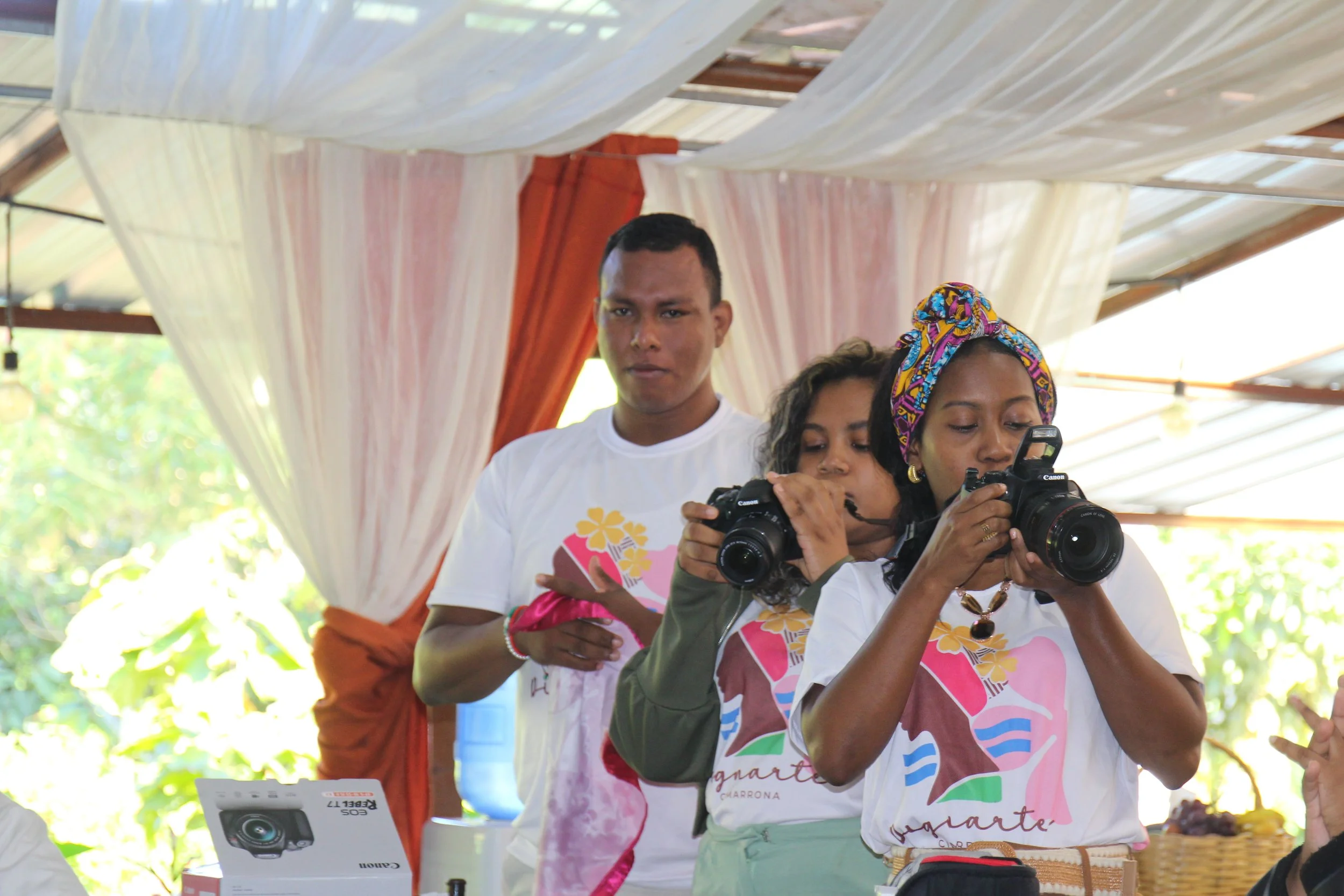
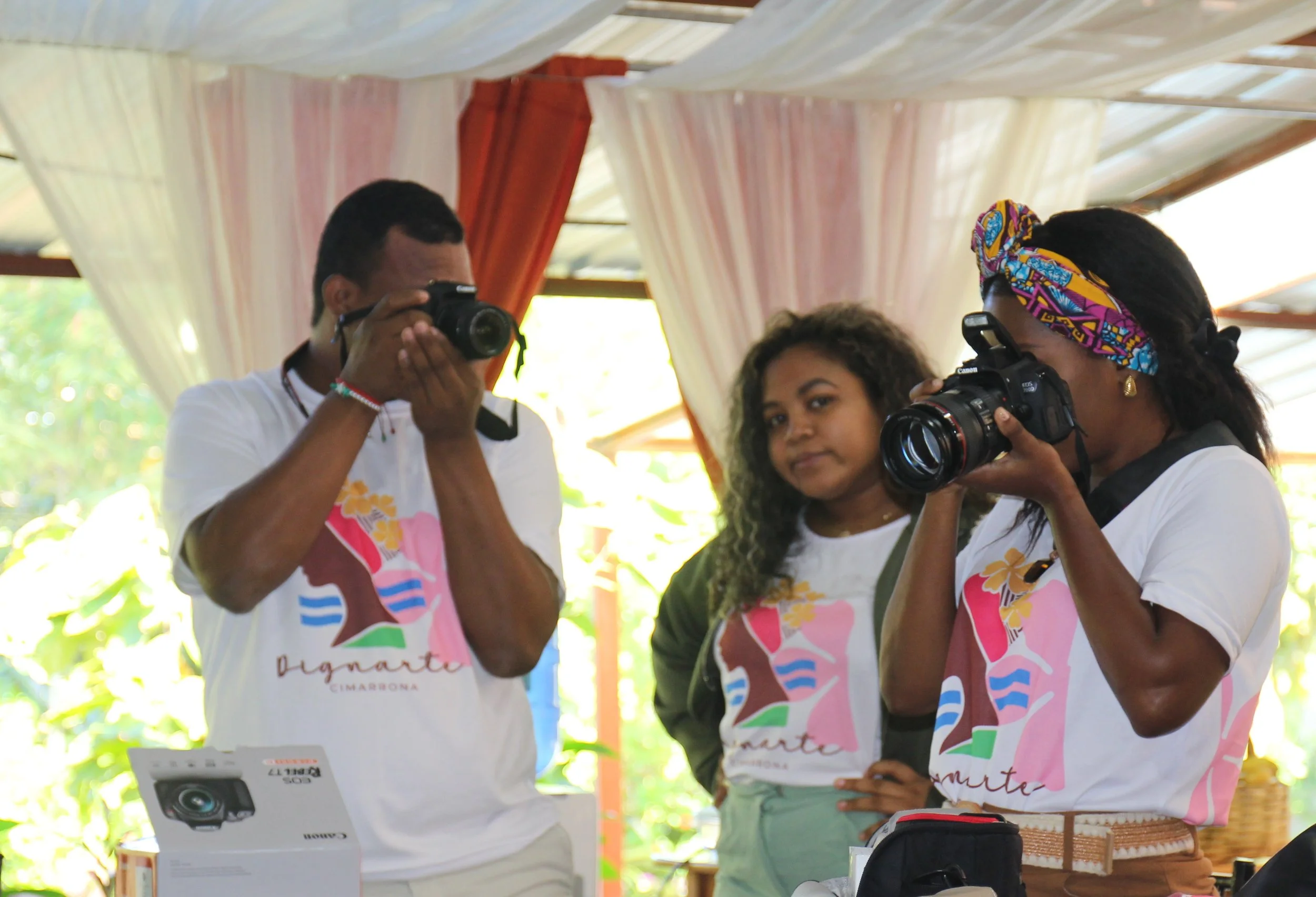
Across the three days, the peer researchers were introduced to the Photovoice process, engaging in a series of creative and embodied activities exploring art and representation. With hands-on work with cameras, the peer researchers experimented with different ways of seeing and framing, reflecting on how images can articulate emotions, memories, and stories connected to their everyday life. The peer researchers also received technical guidance on using and looking after the cameras, as well as considering the security considerations of working with photography in insecure contexts.
The workshop emphasised that Photovoice is not only about taking pretty photos, but about intention, ethics, and storytelling: thinking carefully about what we choose to show, how we show it, and the meanings images can carry within each person’s specific territorial and social contexts.
During the workshop, the peer researchers planned the next phase of the project, where they will carry out collective photographic excursions in their own cantons, focused on four themes emerging from the workshop. These excursions will generate visual narratives that speak to experiences of GBV and future possibilities across Esmeraldas.
This second workshop marks another key step in the project’s participatory process, strengthening collective capacities for visual research and laying the groundwork for the next stage of shared analysis, reflection, and creative dialogue across territories.