Co-analysis workshop: March 2026.
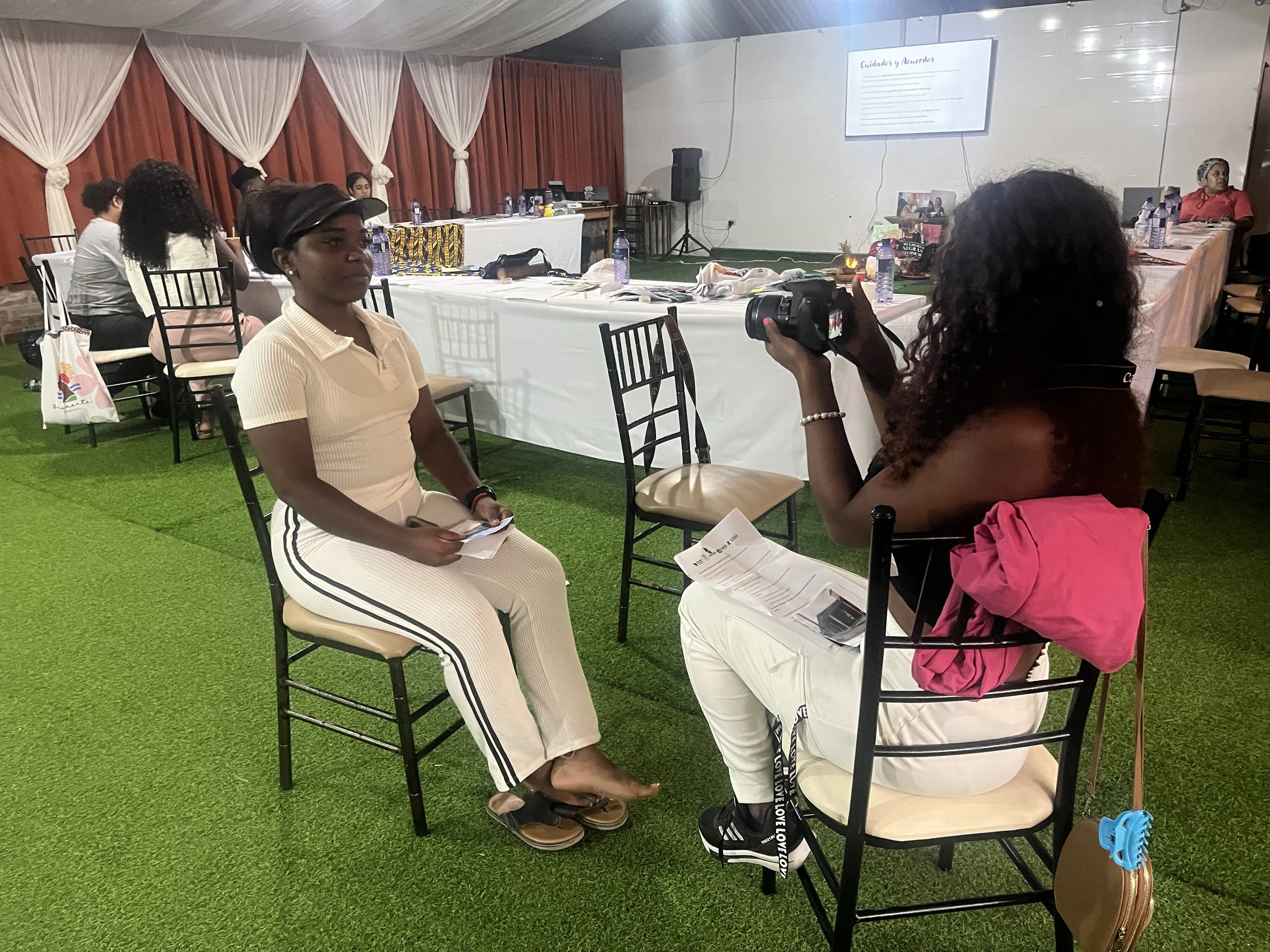
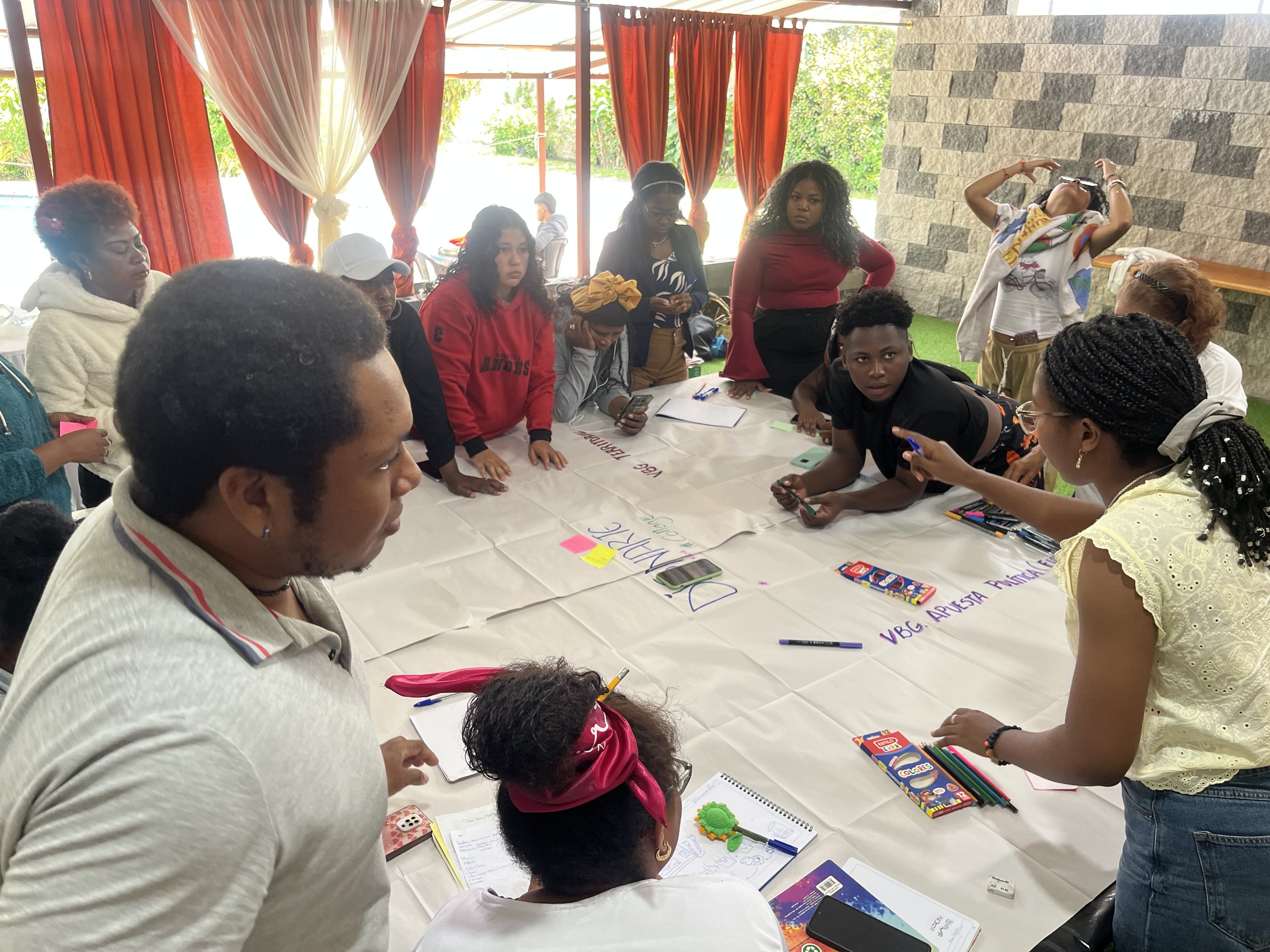
In March 2026, the DignArte Cimarrona team met in Mindo to carry out the third and final participatory workshop with the 21 peer researchers from Esmeraldas.
Between the second workshop (December 2025) and this latest meeting, the peer researchers carried out active work in their cantons, conducting collective photographic excursions. During these outings, they put into practice the technical and methodological tools of photovoice, guided by the themes jointly defined during the previous workshop, to inspire the photo taking.
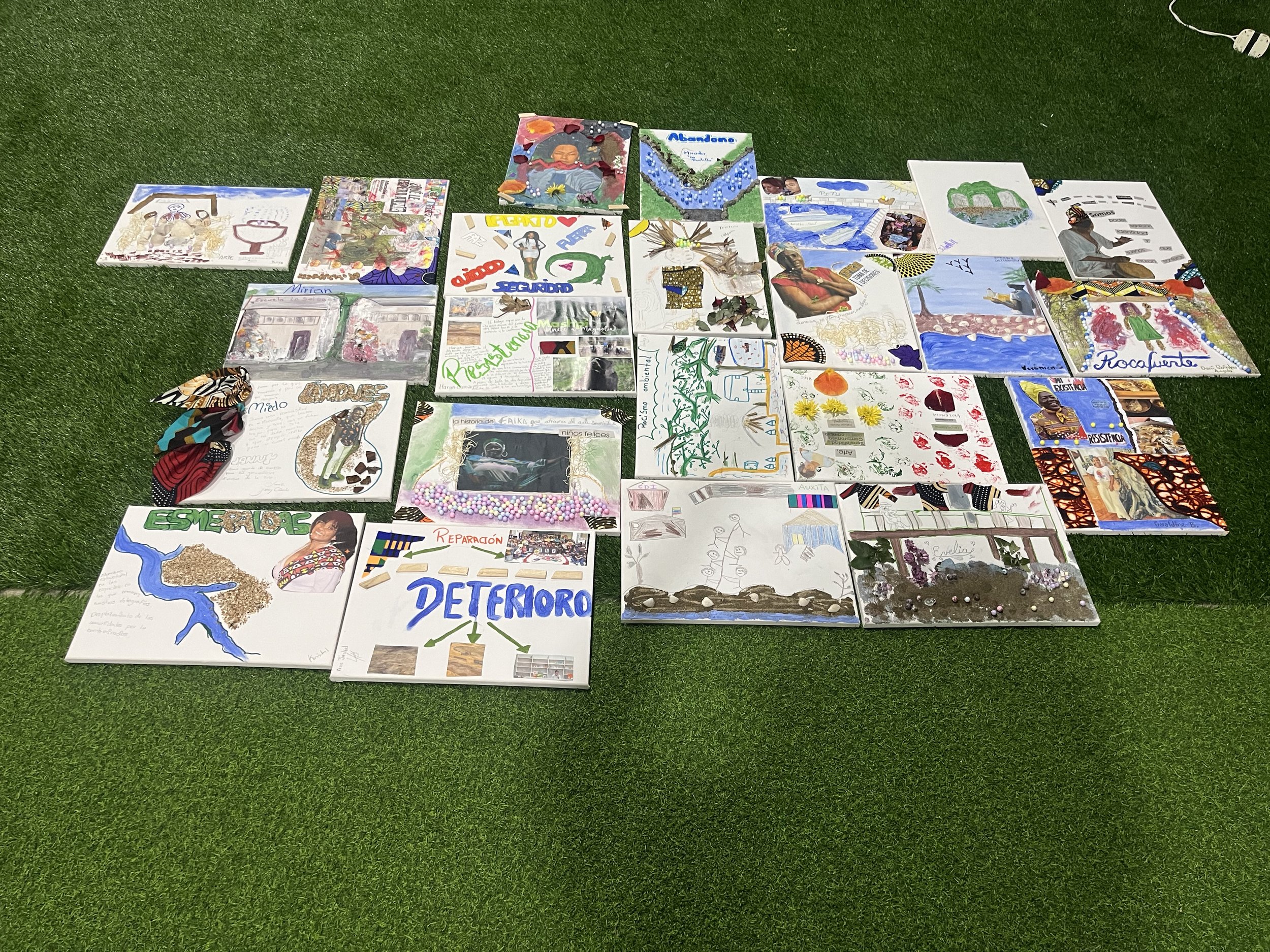
The third workshop focused on the collective analysis of all the material produced, both from the photo excursions and from participatory mapping, with the aim of initiating a process of co-analysis and reflection, and beginning to design the strategies and actions to be proposed to address racialised gender-based violence (GBV). The peer researchers also interviewed each other about the photos they had taken, and how they help us to understand the dynamics of racialised GBV in Esmeraldas.
This workshop also included a section dedicated to creative writing, facilitated by Olmedo Guerra Carvache, a writer and facilitator from Esmeraldas. Taking photovoice as a starting point, the peer researchers began writing inspired by the photographs they had taken in their territories, through exercises such as interpretative pieces and storyboards. This process later evolved into a more open form of writing, exploring both oral storytelling, through exercises of collective narratives, and written composition, through the creation of short poems. These elements are part of various strategies that the peer researchers are aiming to use in the future to share reflections and create ongoing spaces for writing. After dinner on the Saturday evening, a poetry slam provided an inspiring and supportive space for the peer researchers to share their work.
The workshop concluded with the definition of next steps, which include conducting creative laboratories to develop materials for the final project exhibitions, which will be held in each canton, as well as in Quito. These spaces will provide an opportunity to share findings from the project alongside the proposed actions and strategies aimed at addressing racialised GBV.